

Roulette has captivated casino enthusiasts for centuries, embodying a blend of chance and strategy. While many resources focus on popular gaming sites like Gamspot, there is a wealth of information and insights available elsewhere. This article delves into the world of roulette and offers players a wider perspective on the game, integrating strategies and tips that can enhance the experience. Additionally, we will examine the psychological aspects that come into play when gambling and how to maximize enjoyment while minimizing risks. If you’re interested in learning more about understanding diverse perspectives and topics, you might enjoy visiting roulette not on gamspot https://akoautismexpo.co.uk.
A Brief History of Roulette
Roulette, which means «little wheel» in French, originated in 18th-century France. The game has evolved significantly since its inception, transitioning through various forms and rules. The classic roulette wheel consists of 37 or 38 slots, depending on whether it’s a European or American variant. The European version features a single zero, while the American version introduces a double zero, increasing the house edge.
The Basics of Playing Roulette
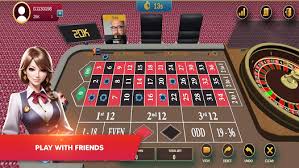
Understanding the fundamentals of roulette is essential for any aspiring player. The game comprises a wheel and a betting table, where players place their bets on numbers, colors, or sections of the wheel. Once all bets are placed, the croupier spins the wheel in one direction and releases a ball in the opposite direction. Players win if the ball lands in a pocket corresponding to their bet. The payouts in roulette vary depending on the type of wager placed, with inside bets offering higher payouts but lower chances of winning, and outside bets providing better odds but lower returns.
Types of Bets in Roulette
In roulette, players can choose from a variety of bets, each with unique odds and payouts. Understanding these bets is crucial for developing a successful strategy. The main categories of bets are:
- Inside Bets: These are bets placed on specific numbers or groups of numbers. They include straight bets, split bets, street bets, corner bets, and line bets. Inside bets offer higher payouts but are riskier.
- Outside Bets: These bets are placed on larger groups of numbers and have a higher probability of winning. They include red or black, odd or even, and high or low bets. While the payouts are lower compared to inside bets, the chances of winning are significantly higher.
Strategies to Enhance Your Roulette Game
While roulette is primarily a game of chance, players can employ various strategies to improve their odds. Here are some popular approaches:
The Martingale Strategy
This is one of the most well-known betting systems, where players double their bet after each loss, aiming to recover their losses and gain a profit once they win. While it can be effective in the short term, it requires a substantial bankroll and has the risk of hitting table limits.
The Fibonacci System
Based on the Fibonacci sequence, this strategy involves adjusting bets in a progressive manner. Players increase their bets following the sequence after a loss and revert to the beginning of the sequence after a win. This system mitigates the risk of large losses while offering a structured betting approach.
The D’Alembert Strategy
This approach is somewhat less aggressive than the Martingale strategy. Players increase their bet by one unit after a loss and decrease it by one unit after a win. This strategy is viewed as a safer method, but it still carries risk.
The Psychology of Gambling
Understanding the psychological aspects of gambling can contribute to a better roulette experience. Players often experience a rush of adrenaline with each spin, which can lead to excitement and, at times, irresponsible decision-making. It is vital to maintain self-control, set limits, and gamble responsibly.
Managing Your Bankroll
Effective bankroll management is crucial for long-term success in roulette. Players should establish a budget before playing and adhere strictly to it. It’s advisable to divide your bankroll into smaller betting amounts to prolong your time at the table without risking large losses at once.
Recognizing Cognitive Biases
An awareness of cognitive biases, such as the gambler’s fallacy, can help players make more rational decisions. The gambler’s fallacy is the belief that past outcomes influence future results; for example, a player might think that if red has come up five times in a row, black is due. However, each spin is an independent event.
Live Dealer Roulette vs. Online Roulette
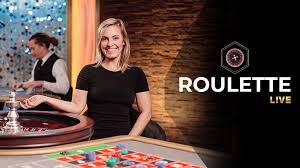
As technology has advanced, many players are exploring online roulette options. While traditional casino roulette offers the ambiance and excitement of a physical location, live dealer roulette combines the best of both worlds. Players can interact with a live croupier while enjoying the convenience of online play. This format often provides higher-quality graphics and a more engaging experience compared to standard online roulette games.
The Appeal of Live Dealer Games
Live dealer games are becoming increasingly popular among online gamblers. They offer real-time interactions and create an immersive experience that many players crave. The ability to chat with the croupier and other players enhances the social aspect of gambling, making it feel more like a traditional casino outing.
Conclusion
Roulette is a timeless game that remains a staple in casinos worldwide, incorporating elements of skill, strategy, and chance. By understanding the different types of bets, employing effective strategies, and maintaining awareness of psychological factors, players can enhance their experience beyond what is often covered on platforms like Gamspot. Whether you’re a novice or an experienced player, it’s essential to approach the game with the right mindset, prioritizing enjoyment while practicing responsible gambling. Remember, the charm of roulette lies in its unpredictable nature; no two spins are ever the same, and every bet offers a new chance at excitement.