
Mastering Forex Trading: Essential Education for Success
Forex trading represents one of the most dynamic and accessible financial markets in the world. Whether you are a novice just starting out or an experienced trader looking to enhance your skills, acquiring a solid education in forex trading is paramount to achieving long-term success. In this article, we will delve into the essential components of forex trading education, providing you with the foundational knowledge necessary to navigate this global marketplace effectively. If you are eager to embark on your forex trading journey, consider checking out forex trading education exglobal.pk for comprehensive resources and tools.
Understanding the Basics: What is Forex Trading?
The foreign exchange (forex or FX) market is the largest and most liquid financial market in the world. It facilitates the buying and selling of currencies, allowing traders to speculate on the price movements of these currencies. Unlike stocks or commodities, the forex market operates 24 hours a day, five days a week, with a decentralized structure consisting of various global financial institutions, brokers, and individual traders.
The Importance of Education in Forex Trading
Engaging in forex trading without a strong educational foundation can be likened to navigating a ship without a compass. The market is fraught with risks, and a significant number of traders often encounter losses when they fail to understand the principles of trading. Education empowers traders to make informed decisions, develop effective strategies, and manage their risks effectively.
Key Components of Forex Trading Education
1. Understanding Currency Pairs
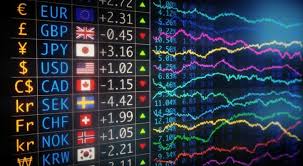
In forex trading, currencies are traded in pairs. The first currency in the pair is called the base currency, while the second is the quote currency. The exchange rate between the two indicates how much of the quote currency is needed to purchase one unit of the base currency. Understanding how to read currency pairs and the implications of movements in these rates is critical.
2. Fundamental Analysis
Fundamental analysis involves evaluating the economic, political, and social factors that influence currency values. Key indicators include interest rates, inflation, employment data, and geopolitical events. A strong grasp of these factors will help traders anticipate future price movements and make educated trading decisions.
3. Technical Analysis
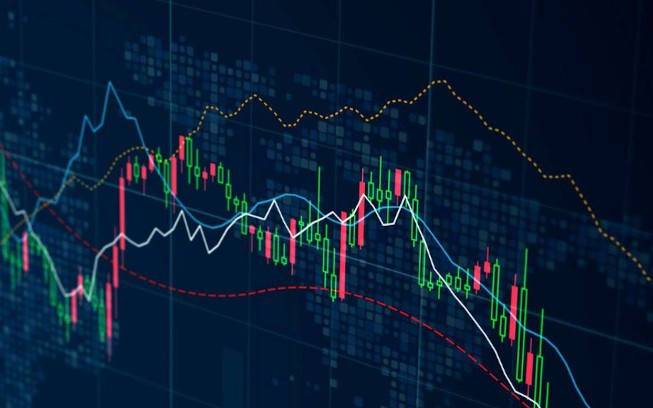
Technical analysis examines historical price movements and chart patterns to forecast future price movements. This form of analysis uses various tools and indicators, such as moving averages, Bollinger Bands, and the Relative Strength Index (RSI). Learning how to interpret charts and utilize technical indicators is crucial for developing effective trading strategies.
4. Trading Strategies
There are numerous trading strategies employed by traders, each with its unique approach to entering and exiting trades. Popular strategies include scalping, day trading, swing trading, and position trading. It is essential to tailor your strategy to your trading style, risk tolerance, and market conditions.
5. Risk Management
Effective risk management is one of the most critical components of successful trading. This involves setting stop-loss orders, determining position sizes, and limiting the risk taken on each trade. By managing risk effectively, traders can protect their capital and increase their chances of long-term success.
The Role of Trading Platforms and Brokers
Choosing the right trading platform and broker is essential for accessing the forex market. Traders should evaluate various platforms based on factors such as user interface, available trading tools, fees, and customer support. A reputable broker is crucial for ensuring smooth and secure trading experiences.
Continuous Learning and Adaptation
The forex market is constantly evolving due to changes in economic indicators, market sentiment, and geopolitical events. Thus, ongoing education is vital. Engaging with webinars, reading trading books, participating in online forums, and following market news can help traders stay updated and refine their skills.
Conclusion
Education is the backbone of success in forex trading. By understanding the basic principles, applying comprehensive analysis techniques, developing effective strategies, and adhering to sound risk management practices, traders can significantly enhance their chances of profitability. As you venture into the world of forex trading, remember that continuous learning and adaptation are key to thriving in this dynamic market. With a robust educational foundation, you can navigate the complexities of forex trading with confidence and skill.